
The "New seniors,
new needs" Chair
A chair in partnership with the Crédit Agricole Atlantique Vendée
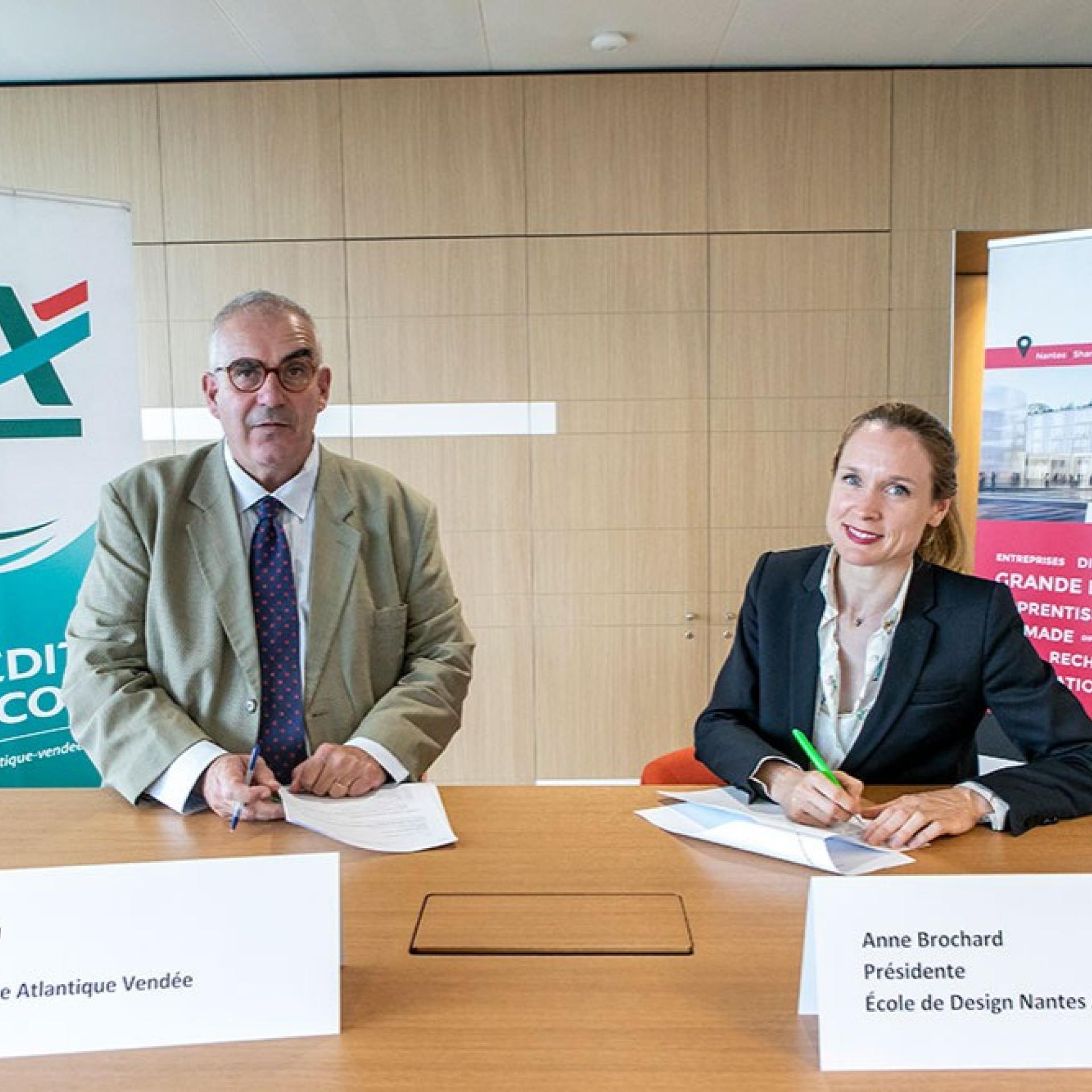
In order to anticipate the expectations of tomorrow’s seniors, Crédit Agricole Atlantique Vendée and L’École de design Nantes Atlantique have joined forces to launch the "New seniors, new needs" Chair.
A design research chair to study and anticipate the needs of tomorrow's seniors
In line with and in continuity with the work of its Health and Well-being sector, Crédit Agricole Atlantique Vendée has signed a two-year sponsorship agreement with L’École de design Nantes Atlantique and the Care Design Lab to fund a design-led research chair focused on tools to anticipate the needs of seniors in 2040.
This chair is financed to the tune of 80,000 euros by Crédit Agricole Atlantique Vendée. The Loire-Atlantique and Vendée Departmental Councils are also partners.
The chair will coordinate a two-year design-led research program aimed at producing an immersive and interactive tool to allow people who are 60 years old today to anticipate their future needs in 2040 and to propose new service offers to meet them.
Une équipe de recherche pluridisciplinaire
La chaire est portée par une équipe de chercheurs associant :
- Marketa Fingerova, anthropologue de la longévité
- Olivier Ryckewaert, prospectiviste
- Clémence Montagne, directrice du Care Design Lab de L'École de design Nantes Atlantique
Elle s’appuie sur l’expertise des équipes pédagogiques et sur l’implication d’étudiants designers issus de différentes spécialités — graphisme, motion design et game design — ainsi que d’étudiants de second cycle mobilisant des compétences complémentaires autour de la thématique du care. Inscrite dans une logique de formation par la recherche et le projet, la chaire contribue ainsi à nourrir les travaux de recherche tout en sensibilisant les futurs designers aux enjeux du vieillissement et de la longévité.
Le design au service des acteurs et des territoires
Pour explorer la diversité des besoins des futurs seniors, trois typologies de territoires ont été sélectionnées :
- Nantes (site urbain)
- Pontchâteau (ville rurale)
- Les Sables d’Olonne (site littoral)
Les travaux de la recherche ont pour objectif de produire :
-
des scénarios et visualisations prospectives illustrant les besoins et attentes des seniors à l’horizon 2040 ;
-
des concepts et prototypes de services adaptés aux évolutions démographiques et aux transitions territoriales et servicielles ;
-
des outils numériques permettant aux seniors et aux acteurs du territoire de se projeter dans des futurs désirables et de co-construire des réponses innovantes.

It will mobilize 2nd year students from the Care Design Lab of L’École de design Nantes Atlantique and 3rd year students specialized in graphic design, motion design and game design. These students are supervised by a team of professional designers and a sociologist of public action.
Three types of territories have been selected: Nantes, an urban site, Ponchateau, a rural town and a coastal site: les Sables d’Olonne.
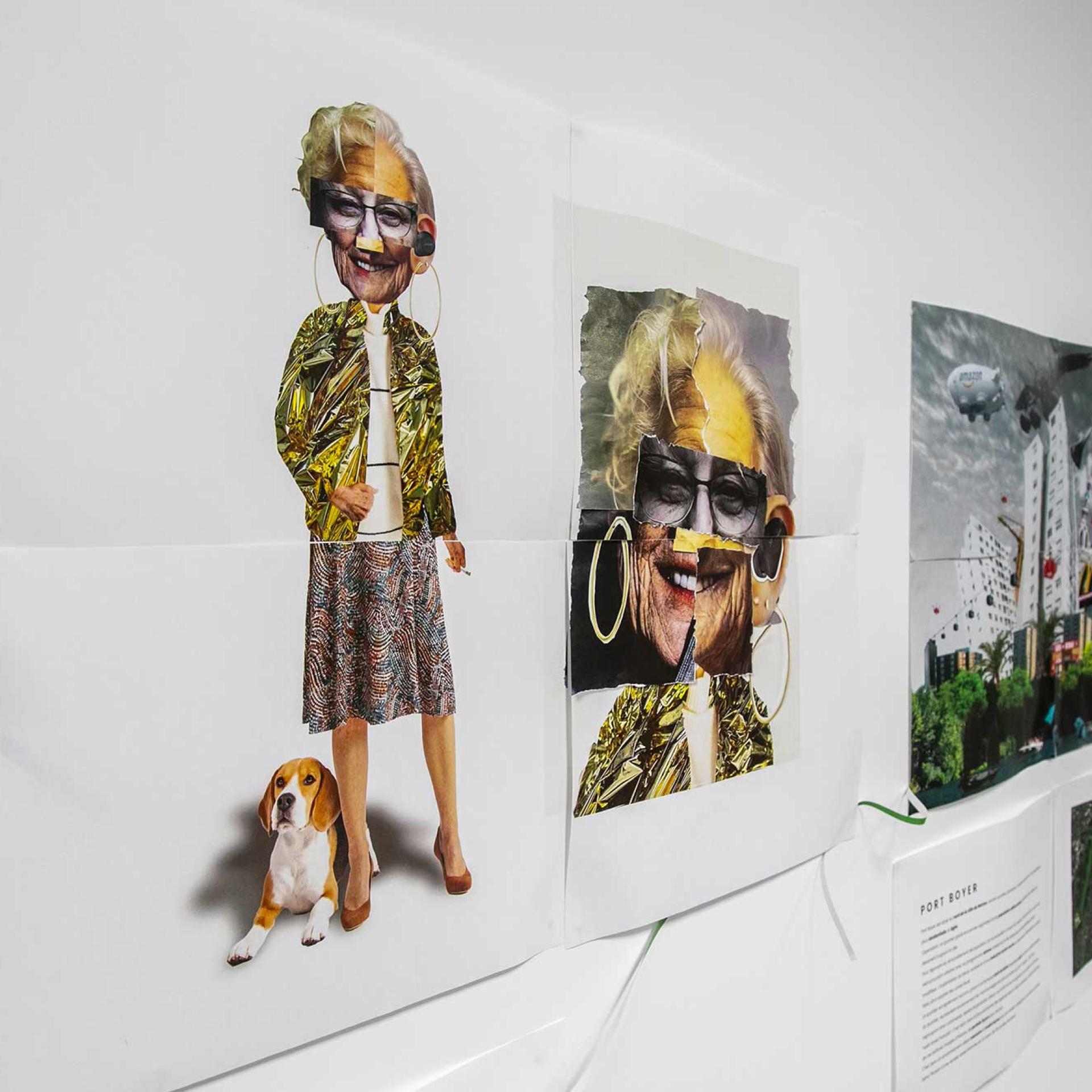
"Our objective is to implement different design practices - graphic, game, motion, interaction and discursive - to propose an original and methodological protocol for exploring the projections and anticipations of the needs of people aged 50 to 60 today, taking into account the scenarios of climate, energy and demographic transition. We are very pleased about this collaboration with Crédit Agricole Atlantique Vendée, which will allow us to benefit from the expertise of a national player with strong regional roots and a health player in the region." Clémence Montagne, holder of the "New seniors, new needs" Chair, Director of the Care Design Lab at L’École de design Nantes Atlantique.
"
La chaire mobilise le design pour créer un protocole innovant d’exploration des besoins des personnes de 50 à 60 ans, en intégrant les effets des transitions démographique, climatique et énergétique sur leurs projets de vie futurs.
"
Crédit Agricole Atlantique Vendée: at the heart of the ecosystem for ageing well in Loire-Atlantique and Vendée
In June 2020, Crédit Agricole Atlantique Vendée set up a "Health and good living" unit with the aim of better understanding and incorporating the "ageing well" ecosystem in order to improve its services. It has thus positioned itself as a trusted third party for seniors and their caregivers.
"The inevitable demographic shift, the attractiveness of the Atlantic and metropolitan areas, and the continuous lengthening of life expectancy pose a challenge for the teams at Crédit Agricole Atlantique Vendée. Its model as a cooperative and mutual bank, facilitating transitions, has led it to unite with other stakeholders in the ecosystem to co-construct solutions that will help people age well," explains Luc Jeanneau, President of Crédit Agricole Atlantique Vendée.
"The aim is to support the clients of Crédit Agricole Atlantique Vendée by incorporating the three elements of ageing well: well-being, home and financial solvency. The work of our "Health and Well-being" unit is in line with the medium-term "Ambitions 2025" project of the Crédit Agricole Group, which has launched a new business line, "Crédit Agricole Santé & Territoires", to facilitate access to healthcare and ageing well," adds Nicole Gourmelon, Director General of Crédit Agricole Atlantique Vendée.
This year, Crédit Agricole Atlantique is strengthening this expertise by becoming a sponsor of the "New Seniors, New Needs" Chair, headed by Clémence Montagne, Director of the Care Design Lab at L’École de design Nantes Atlantique.




2026 : clôture de la chaire
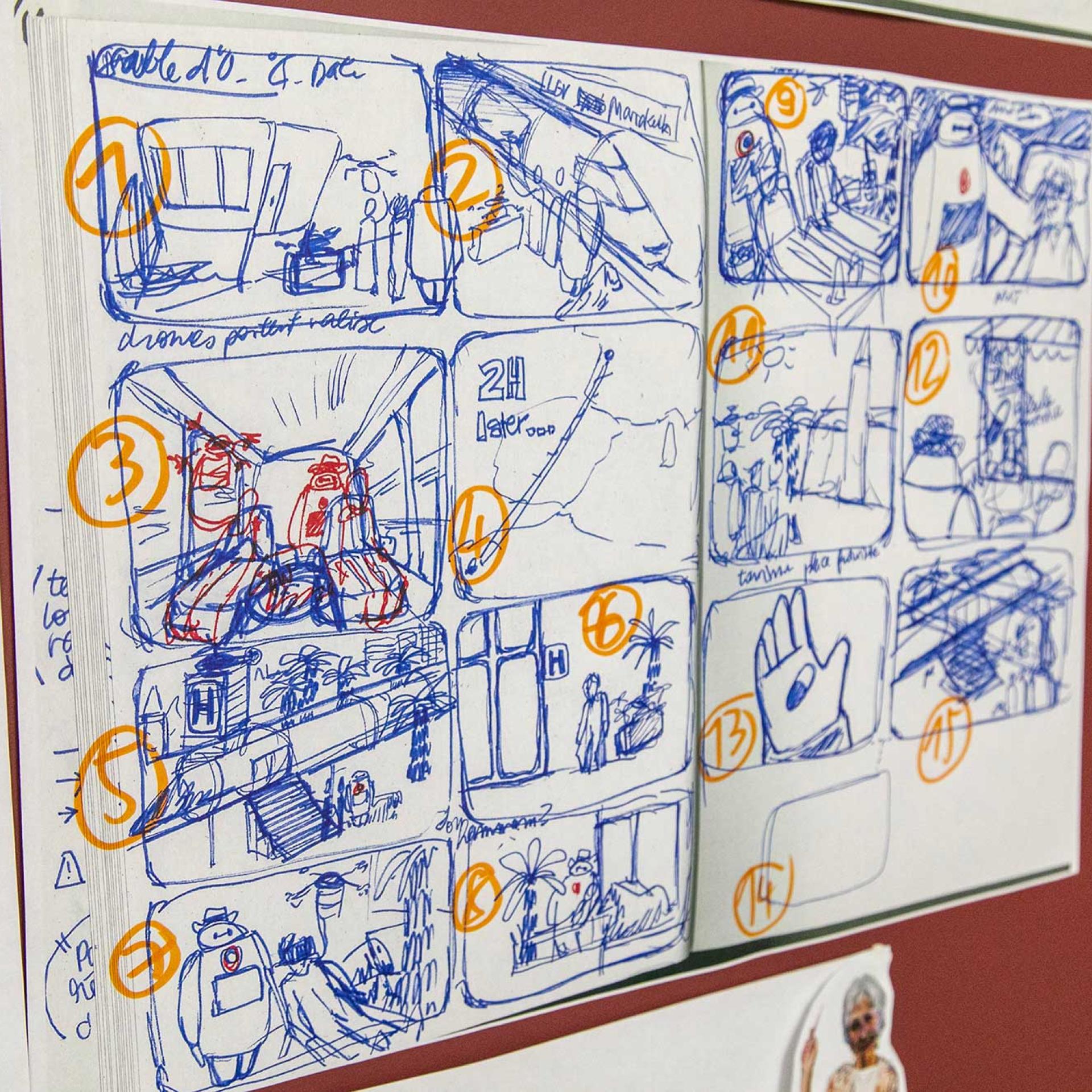
Pendant trois ans, la chaire a mené des recherches sur les besoins des futurs seniors, aujourd’hui âgés de 55 à 65 ans (la Génération X) et exploré le rôle du design dans la conception de solutions et de services adaptés aux futurs seniors, en privilégiant l’humain, le sensible et le concret, et en se nourrissant des usages et des imaginaires des publics concernés.
- Après une première phase d’immersion sur le terrain, plusieurs outils interactifs ont été développés pour recueillir des points de vue à grande échelle. Les retours des publics cibles ont permis de réorienter et d’affiner les travaux.
- En 2026, la chaire finalise un outil interactif opérationnel et prépare la restauration de ses conclusions auprès des acteurs publics, privés et du monde de la recherche.
Dans la démarche de la chaire, le processus de conception et d’expérimentation est aussi important que les résultats eux-mêmes. La publication des différentes étapes met en lumière les formats et outils innovants développés au cours du projet.


